
HR Should Be Leading the AI Conversation, Not Reacting to It.
Build a workforce strategy for AI, backed by a clear read on whether it's actually working.
- Find out if your workforce is actually more productive with AI, or just busier
- Identify where automated decisions may be creating compliance risk
- Build a change management plan your people will actually follow
- Get a Workforce Intelligence Score to measure real impact, instead of ai usage reports
Let's Talk About Your Organization's HR + AI Strategy
Workforce Intelligence on Demand: Lead AI Transformation as a Talent Decision
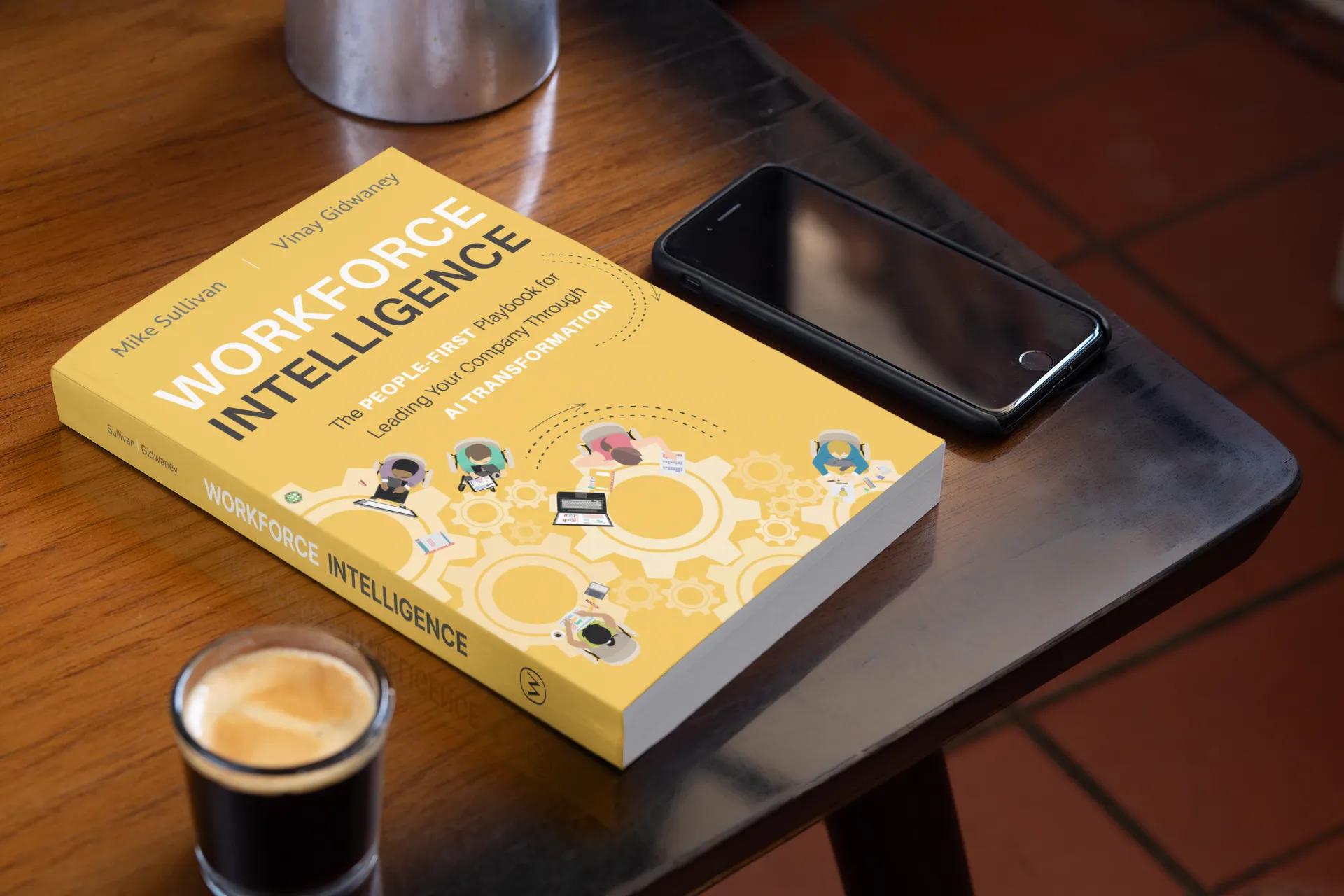
Mike Sullivan and Vinay Gidwaney walk through the Workforce Intelligence framework, from activating managers as the engine of change to building a blended workforce with defined roles for humans and AI.
Your AI Strategy Needs Change Management: Build the Guardrails Before Rollout
Leaders who treat AI like any major workforce transformation see the most impact. Learn why policy formation is the right starting point and how change management expertise builds guardrails employees can trust.

Is AI a Competency? Redesign Performance Frameworks Around Critical Thinking
Performance systems will define how AI is valued at work. Learn how HR leaders can measure judgment and critical thinking, strengthen equity, and shape the future of work through deliberate choice.


What an AI Engagement with Our HR Consulting Team Looks Like
From writing your AI policy to mapping workforce risk, here's what HR leaders want to know before they begin.
It starts with the basics that let people use AI responsibly: clear rules, defined ownership, and a realistic view of how AI touches your workforce. Our HR consulting team works with you to put risk controls, workforce visibility, and shared AI literacy in place before your organization tries to scale. By the end, you know what responsible AI use looks like at your company, who owns the decisions, and where workforce risk or opportunity needs attention.
You leave with documented standards and a clear view of your workforce, including:
- An AI acceptable use policy covering approved use, prohibited use, data handling, and accountability
- An AI governance and equity framework that defines decision ownership, fairness review, and escalation
- A data privacy and risk plan that identifies AI-related exposures and mitigation priorities
Baseline AI literacy education on responsible use, workforce impact, and employee expectations - A repeatable method for reviewing AI vendors, terms, data ownership, and service expectations
- A workforce map covering role readiness and demographic risk
When people use AI without shared rules, questions about data handling, fairness, and accountability go unanswered, and they tend to surface at the worst moments. A clear policy gives employees a standard to work from, and a governance framework gives leaders a way to review privacy, equity, and vendor risk as usage grows. Putting that structure in place first lets adoption scale on a stable footing, with an owner for every decision.
The workforce map pairs a work-centered view of AI impact, human judgment, and role readiness with an aggregate view of demographic and talent risk. Together, they show how hiring patterns, retirement timing, and workforce shifts may change benefits costs, retirement program costs, recruiting needs, and retention priorities. That gives HR leaders a way to connect AI decisions to the cost and talent outcomes the rest of the leadership team cares about.
The standard engagement is designed for organizations with 100 to 500 employees that need a shared baseline for governance, risk, workforce visibility, and AI literacy. Smaller organizations can be a strong fit when risk, complexity, or investment capacity is high. Larger organizations typically begin with one defined workforce population or a custom scope. Organizations of every size need this foundation, and the scope adjusts to fit.

The AI+HR Revolution
Every workforce shift needs a people leader to own it. This one is waiting for you.
Are you leading it, or cleaning up after it?